

The Aeon Herald / HISTORICAL EDITION
Titanic Found in the North Atlantic as New Cameras Follow a Debris Trail
The Titanic has been located in the North Atlantic, ending a search that required the investigators to look for scattered wreckage before they could identify the great liner itself. A French-American expedition confirmed the discovery September 1, when a camera system revealed a boiler on the ocean floor.
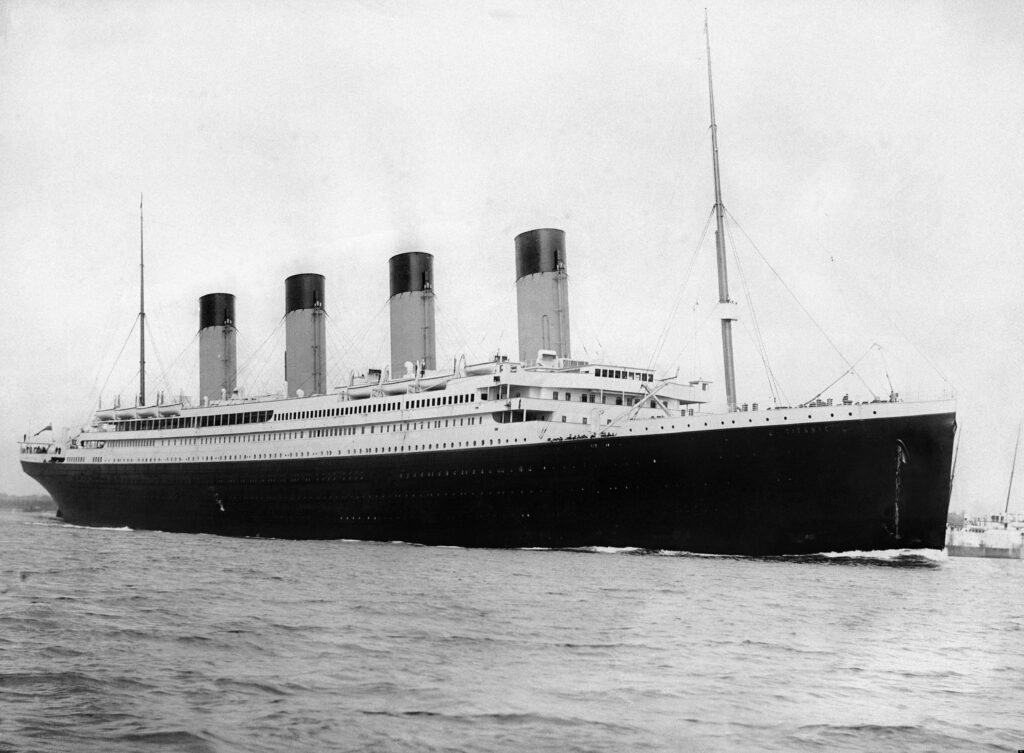
WOODS HOLE, Mass., Sept. 15—The Titanic has been located in the North Atlantic, ending a search that required the investigators to look for scattered wreckage before they could identify the great liner itself. A French-American expedition confirmed the discovery September 1, when a camera system revealed a boiler on the ocean floor.
The research vessel Knorr returned here September 9. The achievement belongs to a combined effort by Woods Hole Oceanographic Institution and the French ocean research organization IFREMER, with Robert Ballard and Jean-Louis Michel leading the respective teams. It depended upon instruments towed far beneath the ships, beyond the reach of an ordinary diver.
The French stage of the operation began in July aboard Le Suroit, using the SAR side-scan sonar system to examine a broad search area. That work did not produce the wreck, but it narrowed the ground left to cover. Three French scientists subsequently joined the American vessel.
For the next stage, the investigators relied upon a different clue. A sinking ship could leave a trail of objects spread across the bottom. Finding that material might be easier than passing directly over the hull in a large and uncertain expanse of sea.
Knorr’s team used Argo, carrying low-light television cameras and sonar, together with the photographic system ANGUS. Debris appeared at the end of August. The boiler identified early September 1 supplied the decisive recognition. Additional video and still photography followed during the remaining days of the cruise.
The distinction matters to anyone imagining a searchlight suddenly falling upon an intact vessel. This was a patient survey assembled from remote observations. The equipment sent pictures upward while the people interpreting them remained aboard ship. A small, recognizable part of the machinery could settle what an indistinct outline might leave in doubt.
The discovery also changes the character of the question. The Titanic is no longer merely a position to be estimated from the accounts of the 1912 disaster. There is now an identified site that can be examined. What further investigation may establish must be separated from what these first pictures already show.
For the moment, the expedition’s result is both technical and human: a demonstration of deep-ocean imaging, and the location of a ship whose loss remains a maritime tragedy. The photograph accompanying this report shows Titanic leaving Southampton in 1912; it is an archival view of the vessel, not a picture taken during the discovery.
Sources & further reading
- 1985 Discovery of RMS Titanic — Woods Hole Oceanographic Institution.
- Previous Missions to Titanic — 1985 — NOAA Office of National Marine Sanctuaries.