

The Aeon Herald / HISTORICAL EDITION
Nations Agree to Curb Chemicals That Damage Ozone
The Montreal agreement begins an international response to the thinning of Earth's protective atmospheric layer.
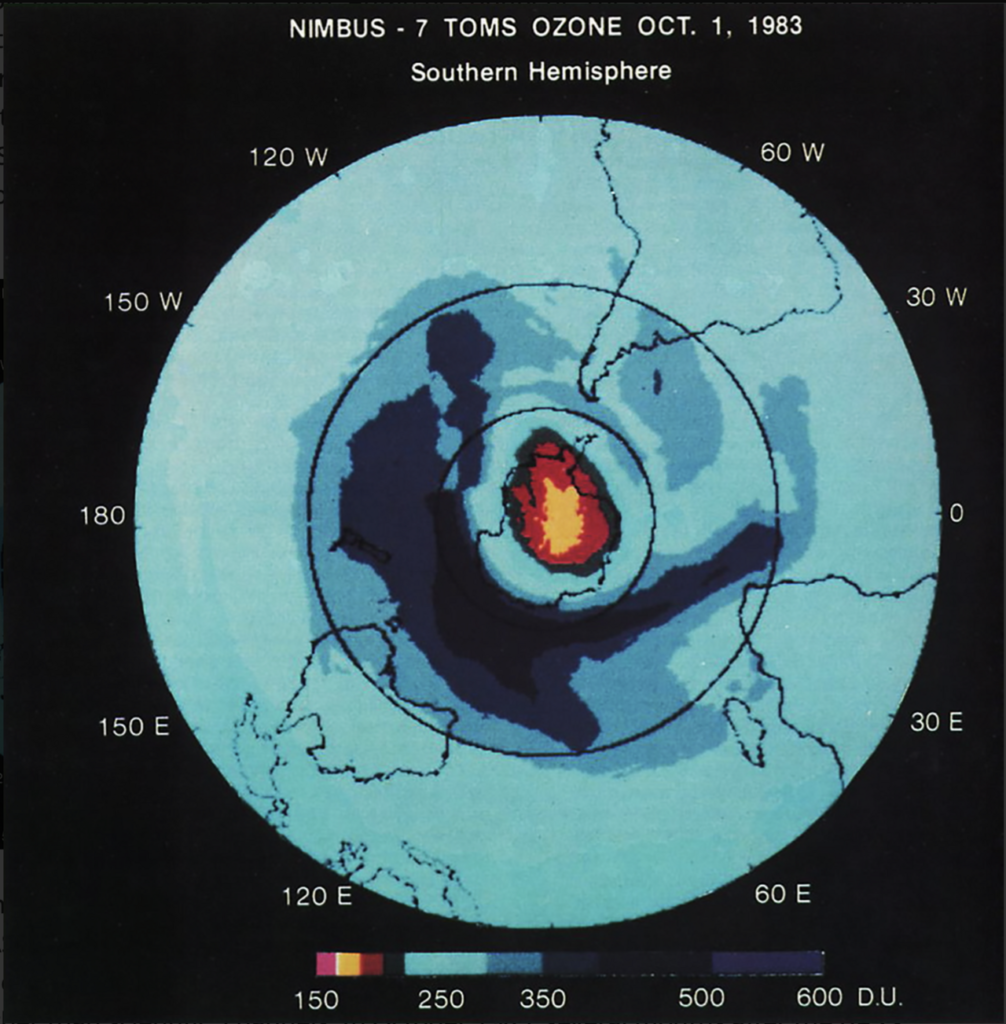
MONTREAL, Sept. 17—Governments have agreed on controls intended to reduce the production and consumption of chemicals that damage the ozone layer. The protocol completed here yesterday establishes restrictions on chlorofluorocarbons and halons, substances used in such products as refrigeration equipment, foams and fire-extinguishing systems.
Concern has grown as scientific observations, including the pronounced loss of ozone over Antarctica, have given urgency to earlier warnings about the chemistry of the upper atmosphere. Ozone helps shield life from ultraviolet radiation. Chemicals released near the ground can contribute to changes far above it and long after their immediate use.
The agreement contains schedules and differing provisions for countries in different circumstances. It will require ratification, reporting and practical changes in industry. It is an initial set of controls, not an announcement that the damage has already been repaired.
Manufacturers must develop substitutes and governments must make the restrictions effective. The treaty's significance lies in attempting collective action on a problem no country can solve through its own airspace alone. The atmosphere does not observe the boundaries drawn beneath it.
Sources & further reading
- Montreal Protocol on Substances that Deplete the Ozone Layer: original 1987 text — United Nations; authentic treaty text, 1987-09-16.
- Ozone Hole History — NASA Goddard Space Flight Center.