

The Aeon Herald / HISTORICAL EDITION
Perseverance Lands in Jezero Crater
NASA's rover begins a mission to examine an ancient lake environment and prepare samples for possible return.
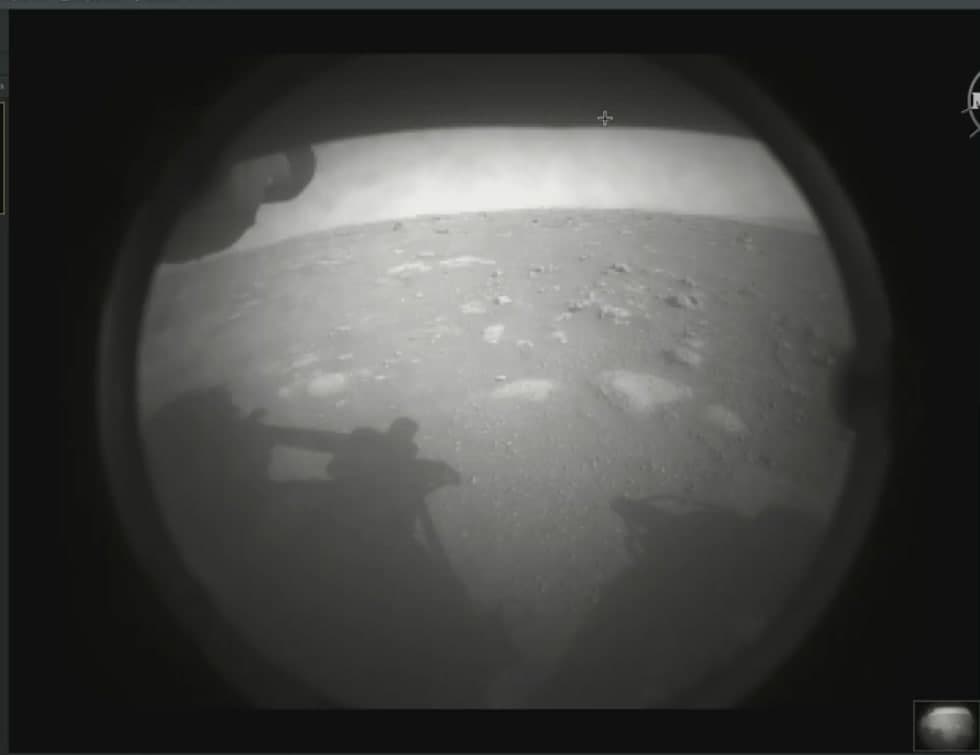
PASADENA, Calif., Feb. 19—NASA's Perseverance rover landed on Mars yesterday, completing an automatic descent into Jezero Crater. Early images confirmed that the vehicle had reached the surface, beginning a mission designed to examine rocks from an environment that once contained a lake and river delta.
The rover will investigate the area's geology and search for evidence relevant to ancient microbial life. It also carries equipment to collect and seal samples for a possible future return to Earth. Finding an interesting rock is not the same as establishing that life existed; those claims will require careful analysis.
Perseverance carries Ingenuity, a small helicopter intended to test powered flight in the thin Martian atmosphere. That demonstration has not yet taken place. Engineers first need to check the rover and prepare the equipment for its surface work.
The landing system had to recognise hazards and guide the vehicle without real-time steering from Earth. Yesterday's success puts the instruments in the right place. The scientific result will come from the patient decisions about where to drive, what to examine and which samples to preserve.
Sources & further reading
- Touchdown! NASA’s Mars Perseverance Rover Safely Lands on Red Planet — NASA / Jet Propulsion Laboratory, 2021-02-18.
- First photograph from Perseverance: image metadata — NASA Perseverance rover, 2021-02-18.
Related Herald reporting
- Pathfinder Launches With a Small Rover Bound for Mars — Kevin Wallace, 1996-12-05.
- Viking Lands on Mars and Sends Surface Pictures — Donald Price, 1976-07-21.
- Mariner Sends First Close Views of Mars — Donald Price, 1965-07-16.