

The Aeon Herald / HISTORICAL EDITION
Alcatraz Occupation Ends; the Questions It Raised Remain on the Mainland
Federal removal closes nineteen months on the island, after an occupation that made Native self-determination a national question.
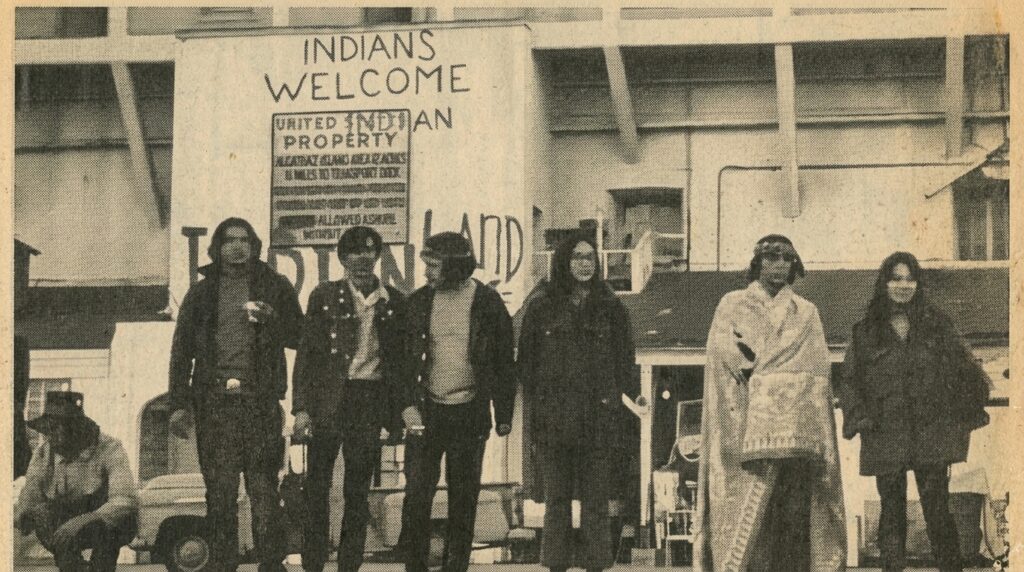
SAN FRANCISCO, June 12.—Federal officers removed the remaining occupants from Alcatraz yesterday, ending the Native occupation begun in November 1969. The island has been cleared. The demands concerning land, education and self-determination that brought its occupants there have not been answered simply by taking them ashore.
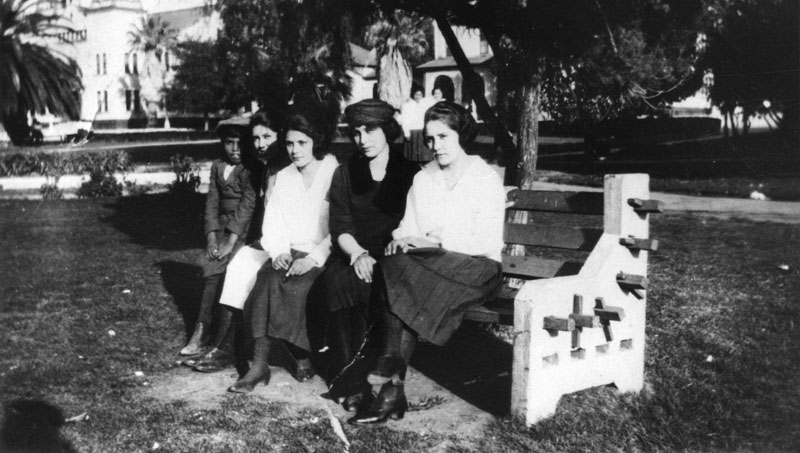
Indians of All Tribes sought a Native university, cultural institutions and control of the island. Richard Oakes and LaNada Means were among the organizers of the undertaking, which brought together students, families and supporters from different Native nations. Southern California students were part of the network that helped make it possible.
Reporting from the island meant encountering the practical work beneath its public declaration. Food, water, schooling and the maintenance of a place to live required attention while negotiations continued. A photograph of a landing or a painted sign could convey the claim without showing the hours needed to sustain it.
During a winter visit I met Kate Romero, a young Luiseño writer from Southern California, with a notebook already filling with the ordinary arrangements of the occupation. Her periods on the island and support work ashore were one small part of a larger undertaking. That distinction matters: the occupation depended on many people whose names seldom led the news.
Its course also included loss, disagreement and deteriorating conditions. Acknowledging those difficulties does not make the original demands disappear. Nor should the attention given to a few spokesmen obscure women’s organizing and the work of families.
Alcatraz has changed the place of Indian affairs in the national conversation. The immediate follow-up now lies on the mainland: whether governments honor commitments, whether Native institutions gain resources, and whether the people who made the occupation visible retain a hearing after the boats have left.
Explore the Story
Sources & further reading.
Related Herald reporting
- Native Students Press UCLA to Make Their History Part of the University — Thomas Navarro, 1969-12-07.
- Blue Lake Return Gives Land to a Policy of Self-Determination — Thomas Navarro, 1970-12-16.
- Indian Health Council Begins With Local Work and a Claim to Better Care — Thomas Navarro, 1970-12-20.
- Trail of Broken Treaties Brings Twenty Demands Into Washington — Katherine “Kate” Romero, 1972-11-10.
- Wounded Knee Occupation Ends After Seventy-One Days — Katherine “Kate” Romero, 1973-05-09.
- American Indian Movement Begins With the Needs of Native City Residents — Thomas Navarro, 1968-12-22.
- Court Affirms Treaty Tribes’ Share of Washington Fisheries — Katherine “Kate” Romero, 1974-02-13.
- Native Delegates Bring Treaties and Sovereignty to the Poor People’s Campaign — Thomas Navarro, 1968-06-20.
- Longest Walk Reaches Washington With Treaty Rights at Its Center — Katherine “Kate” Romero, 1978-07-23.
- Fishing Families Put Treaty Promises on the Riverbank — Thomas Navarro, 1964-03-08.
- A Younger Generation Organizes to Speak for Itself — Thomas Navarro, 1961-09-03.
- Tribal Delegates Form a National Congress to Defend Their Rights — Edward Hensley, 1944-11-19.
Join the conversation