

The Aeon Herald / HISTORICAL EDITION
Indian Child Welfare Act Sets Standards Against the Breakup of Native Families
Congress establishes protections concerning the removal and placement of Indian children, recognizing the interests of families and tribal nations.
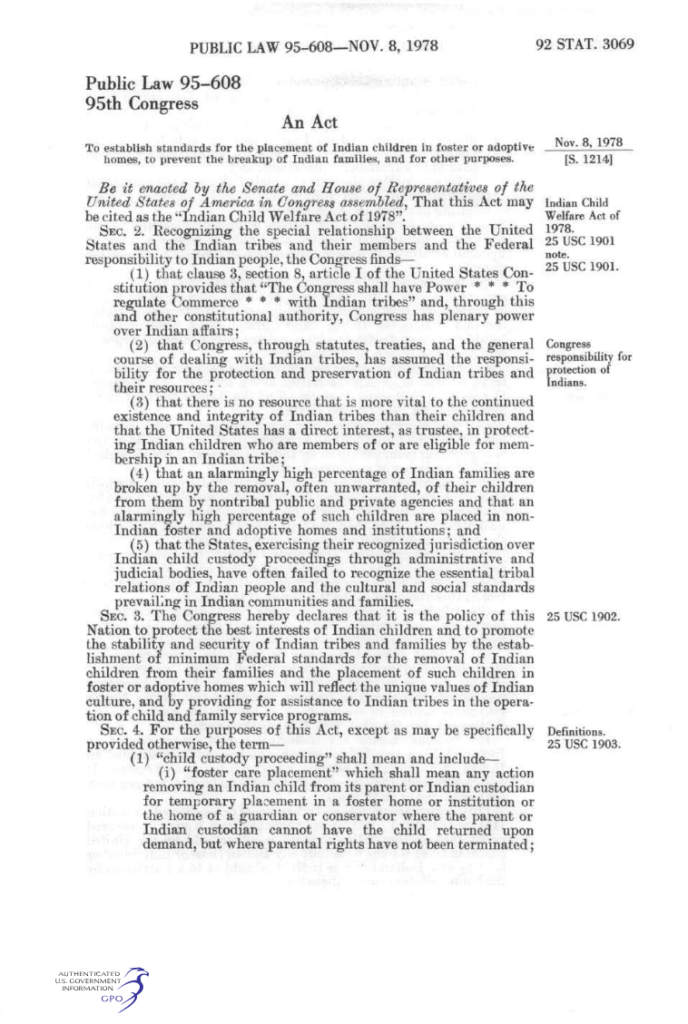
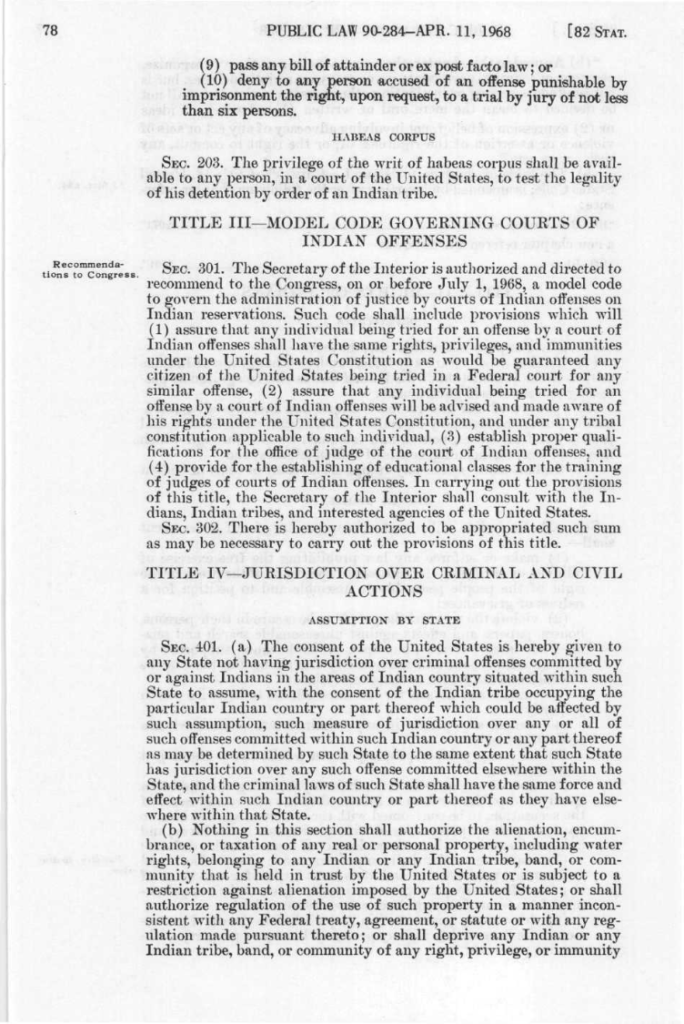
Facsimile from the Indian Child Welfare Act, November 8, 1978, reproduced from the U.S. Statutes at Large. The original statutory page is shown without alteration. Credit: U.S. Congress / Government Publishing Office, GovInfo. Original source. Public domain: official U.S. federal government publication and statutory text. Public domain.
WASHINGTON, Nov. 9.—President Carter yesterday signed the Indian Child Welfare Act, establishing federal standards for proceedings that can remove Indian children from their families. The measure recognizes that such decisions concern the interests of a child and the continuing life of a tribal community.
Congress’s findings describe the separation of substantial numbers of Indian children from their families through public and private agencies. The act addresses foster and adoptive placements and the jurisdiction and participation of tribal governments in covered proceedings.
Its protections include requirements intended to prevent unnecessary family breakup and placement preferences that recognize extended family, the child’s tribe and other Indian families, subject to the statute’s terms. The legislation does not make every child-welfare case identical or eliminate the need to examine a child’s circumstances.
The law also acknowledges that a state agency’s judgment can be shaped by misunderstanding of Native family relationships and social life. A family should not be treated as deficient simply because its arrangements differ from those an outside official expects.
For Southern California households, the consequences may arise in a local courtroom or a social-service office. Accurate identification, notice and an opportunity for tribal participation are practical steps through which the federal standards must become effective.
The work after enactment belongs with families, tribes, agencies and courts. Its measure will include whether officials make the efforts required before separating a child from home, and whether a proceeding recognizes the connections that a placement decision can preserve or sever.
Explore the Story
Sources & further reading.
Related Herald reporting
- Rincon Clinic Opening Marks Years of Work Toward Native-Directed Care — Katherine “Kate” Romero, 1976-12-12.
- Congress Recognizes a Federal Duty to Protect Native Religious Practice — Katherine “Kate” Romero, 1978-08-13.
- Longest Walk Reaches Washington With Treaty Rights at Its Center — Katherine “Kate” Romero, 1978-07-23.
- Indian Education Act Opens a Greater Place for Parents and Community Priorities — Katherine “Kate” Romero, 1972-06-25.
- Native Students Press UCLA to Make Their History Part of the University — Thomas Navarro, 1969-12-07.
- The Federal Relocation Promise Meets the Cost of Living in Los Angeles — Lillian Marsh, 1956-08-12.
- At Sherman Institute, Schooling Reaches Into the Life of the Family — Beatrice Lyle, 1933-11-19.
- Federal Review Finds Serious Failures in Sterilization Consent Procedures — Katherine “Kate” Romero, 1976-11-07.
- Indian Civil Rights Act Sets Individual Protections Within Tribal Government — Thomas Navarro, 1968-04-12.
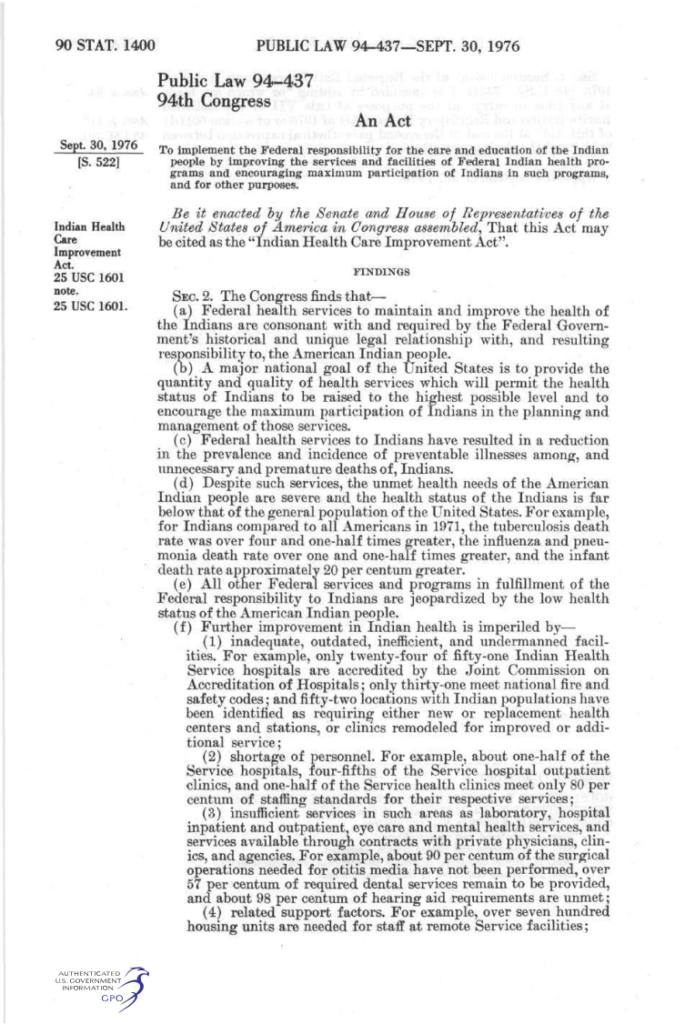
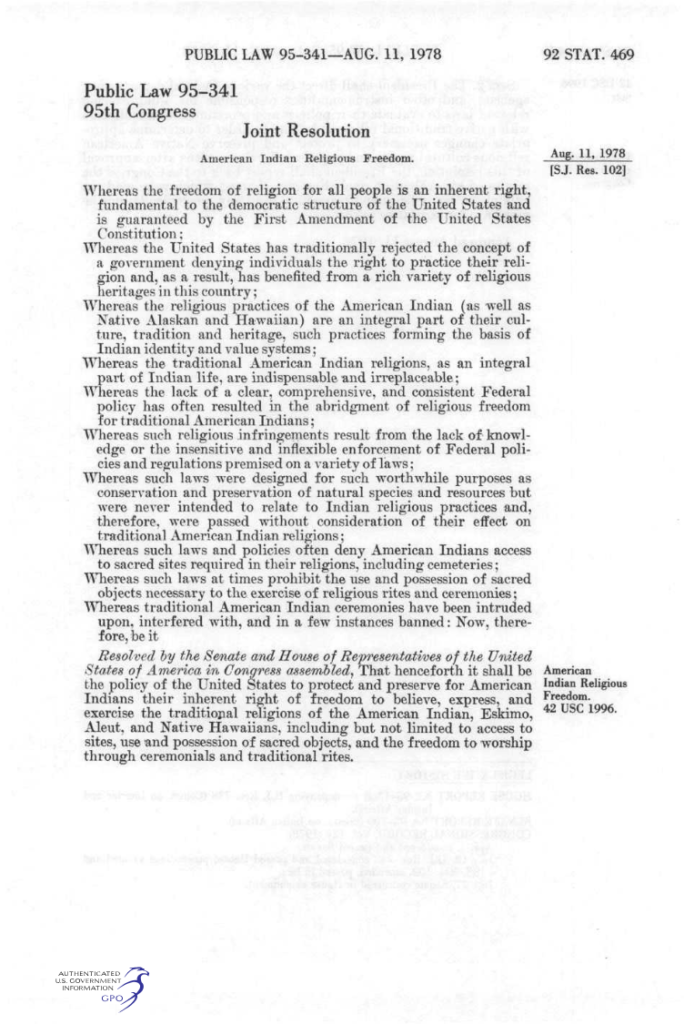
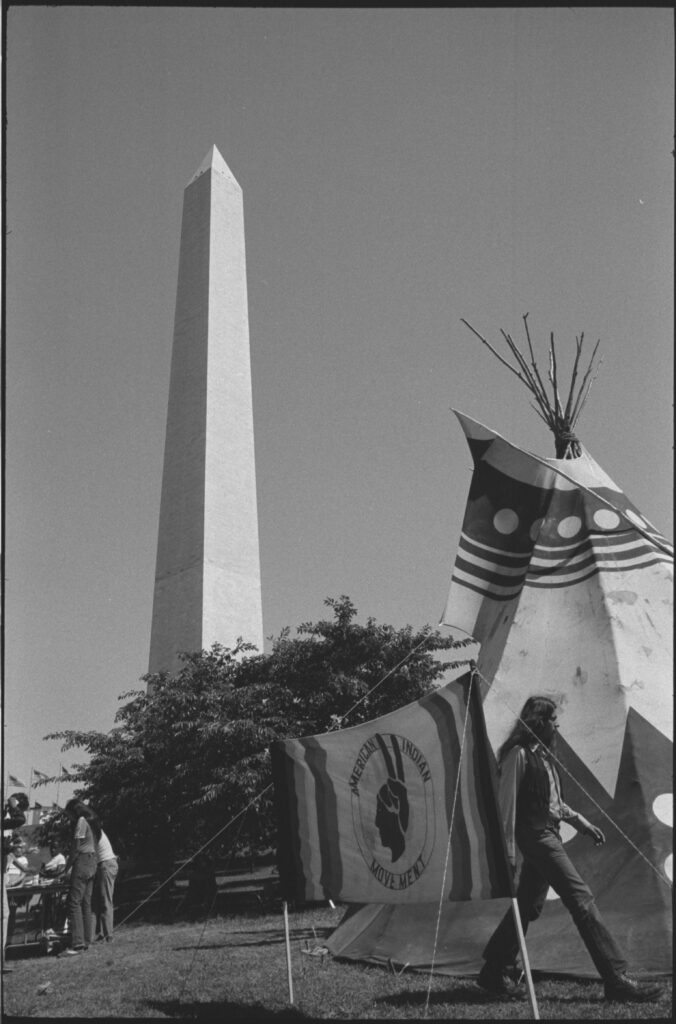
Join the conversation