

The Aeon Herald / HISTORICAL EDITION
San Diego’s Native Community Establishes an Urban Health Center
A center founded in May seeks care rooted in community needs for Native people living in the city.
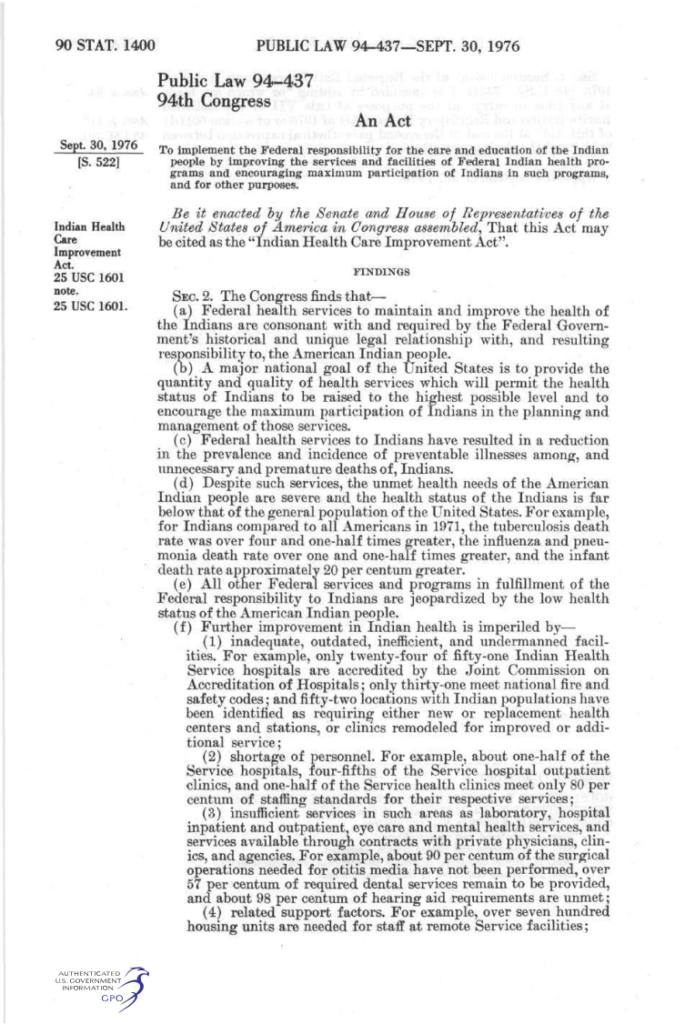
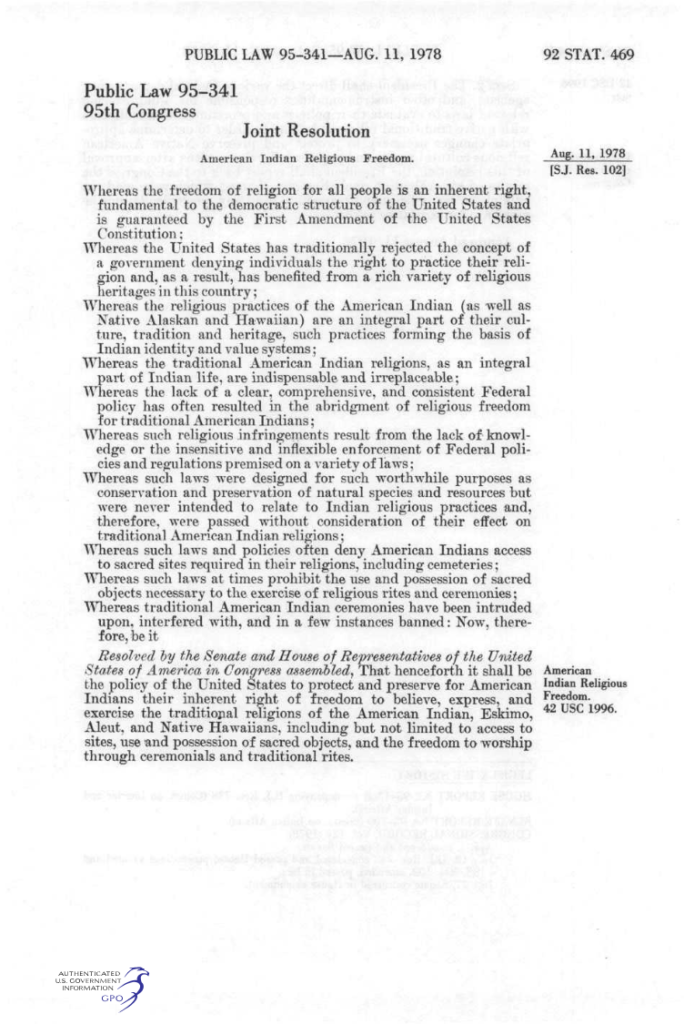
The Indian Health Care Improvement Act, September 30, 1976, reproduced from the U.S. Statutes at Large. Its urban-health provisions supply policy context for San Diego’s new center; the center itself is not pictured. Credit: U.S. Congress / Government Publishing Office, GovInfo. Original source. Public domain: official U.S. federal government publication and statutory text. Public domain.
SAN DIEGO, Dec. 9.—A health center established in May is building a place for urban Native residents within the city’s system of care. The San Diego American Indian Health Center begins from the judgment of community leaders that Native people should be able to obtain services responsive to their circumstances and cultural values.
Living away from a reservation does not remove a person’s need for care or erase tribal and family relationships. It can, however, place someone between institutions whose eligibility rules and assumptions were developed for different populations.
A community-based center can help address that distance. Its work involves recognizing the person who seeks treatment, making services reachable and building the trust required for a patient to return. Those are practical conditions of care, not simply a matter of a name on a building.
The urban center and reservation health organizations serve different settings. Their work should be followed together without treating one as a substitute for the other. Southern California’s Native population includes local peoples and residents with connections to nations elsewhere in the country.
Federal legislation has recognized a need to improve Indian health care, but a statutory commitment must find expression through staffing, resources and accessible services. The establishment of an organization is an important beginning; it does not guarantee the means to meet every need.
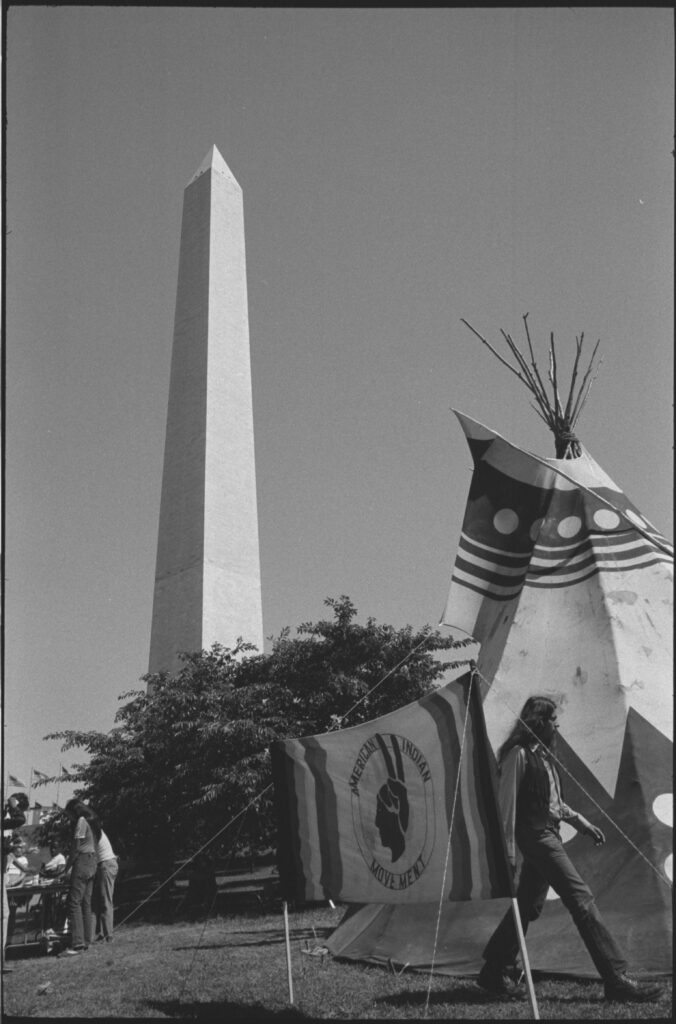
The decade closes with this institution joining other Native-directed efforts in the region. Public attention has often followed the movement’s confrontations. The center’s continuing work will offer another measure of the same demand for a voice in decisions: whether a patient can enter, be heard and receive dependable care.
Explore the Story
Sources & further reading.
Related Herald reporting
- Longest Walk Reaches Washington With Treaty Rights at Its Center — Katherine “Kate” Romero, 1978-07-23.
- A City’s Water Project Sends Kumeyaay Families Toward a New Home — Henry Pritchard, 1932-12-31.
- At Sherman Institute, Schooling Reaches Into the Life of the Family — Beatrice Lyle, 1933-11-19.
- Women of All Red Nations Connect Health, Family and Political Survival — Katherine “Kate” Romero, 1978-12-10.
- Rincon Clinic Opening Marks Years of Work Toward Native-Directed Care — Katherine “Kate” Romero, 1976-12-12.
- Federal Review Finds Serious Failures in Sterilization Consent Procedures — Katherine “Kate” Romero, 1976-11-07.
- On Winston Street, Native Women Build a Place to Turn — Katherine “Kate” Romero, 1974-12-15.
- Indian Health Council Begins With Local Work and a Claim to Better Care — Thomas Navarro, 1970-12-20.
- Congress Recognizes a Federal Duty to Protect Native Religious Practice — Katherine “Kate” Romero, 1978-08-13.
Join the conversation