

The Aeon Herald / HISTORICAL EDITION
Native Servicemen Return to a Country Still Being Asked to Keep Its Promises
Wartime service brings renewed attention to citizenship, employment and the obligations owed to Native families in Southern California and beyond.
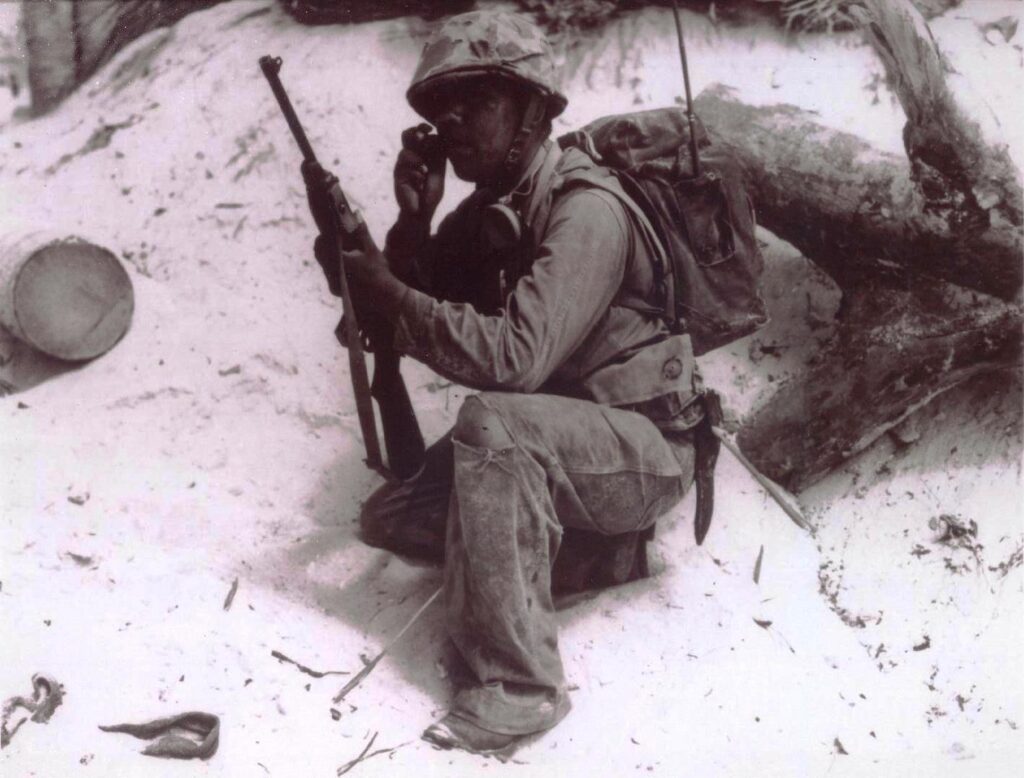
A Navajo Marine radio operator on Tarawa in November 1943. A wartime service photograph; the operator is not identified in the collection record. Credit: Official U.S. Marine Corps photograph / USMC Archives. Original source. CC BY 2.0, as released by USMC Archives; unaltered apart from web sizing. CC BY 2.0.
SOUTHERN CALIFORNIA, Nov. 11.—The first Armistice Day after another world war finds Native servicemen among those returning to civilian life. Their uniforms testify to service in a common national cause. The circumstances awaiting them raise familiar questions about work, education, housing and the rights of citizenship.
Native men and women have served in the armed forces during the war. Indian communities have also carried the burdens of separation and wartime labor. Their part in the national effort belongs in the ordinary record of military service, beyond the occasional photograph or ceremony.
The public attention given to Ira Hayes, a Pima Marine associated with the flag raising on Iwo Jima, has made one Native serviceman widely recognizable. Recognition of an individual must not become a substitute for attention to the many families making the transition home.
In Southern California, that transition takes place amid competing demands for jobs and homes. A veteran may require training, treatment or assistance finding work. Families on reservations must also deal with public decisions affecting land and services, matters that a discharge paper does not settle.
Citizenship has not removed every barrier faced by Indian people. Voting restrictions in parts of the Southwest remain an especially plain contradiction. Men who have served under the nation’s flag should not have their civic standing reduced by the place where they make their homes.
The return from war will be measured in quiet matters as well as parades: a reliable wage, a child’s schooling, the chance to use a ballot, a public office that gives a fair hearing. Those are continuing news assignments for the peace.
Explore the Story
Sources & further reading.
Related Herald reporting
- Tribal Delegates Form a National Congress to Defend Their Rights — Edward Hensley, 1944-11-19.
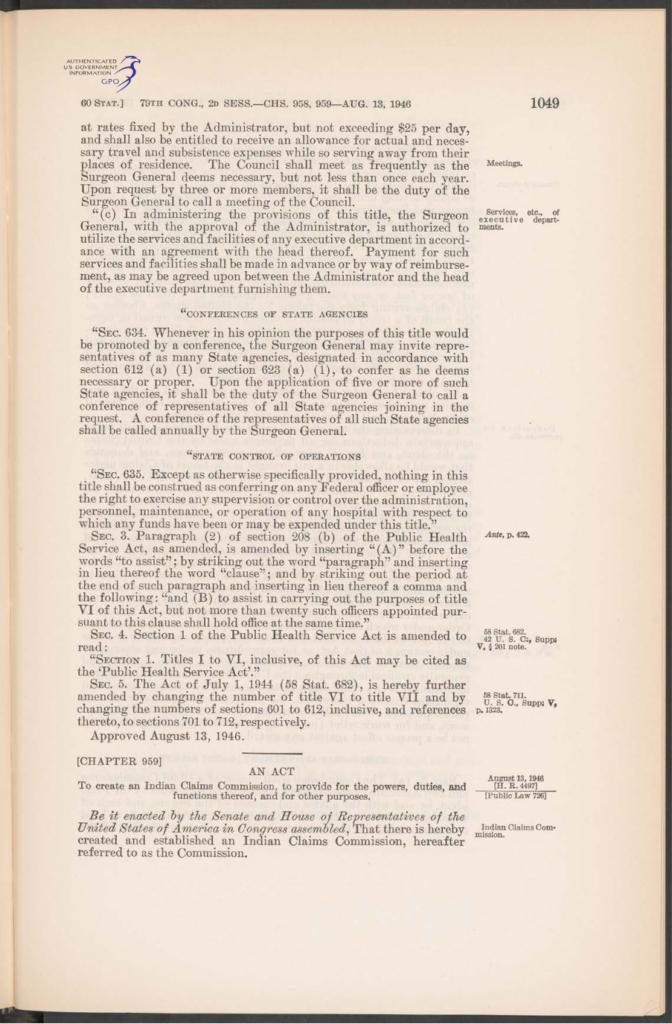
- Indian Claims Commission Opens a Federal Hearing for Old Wrongs — Samuel Voss, 1946-08-14.
- Indian Voters Win Court Rulings in Arizona and New Mexico — Samuel Voss, 1948-08-08.
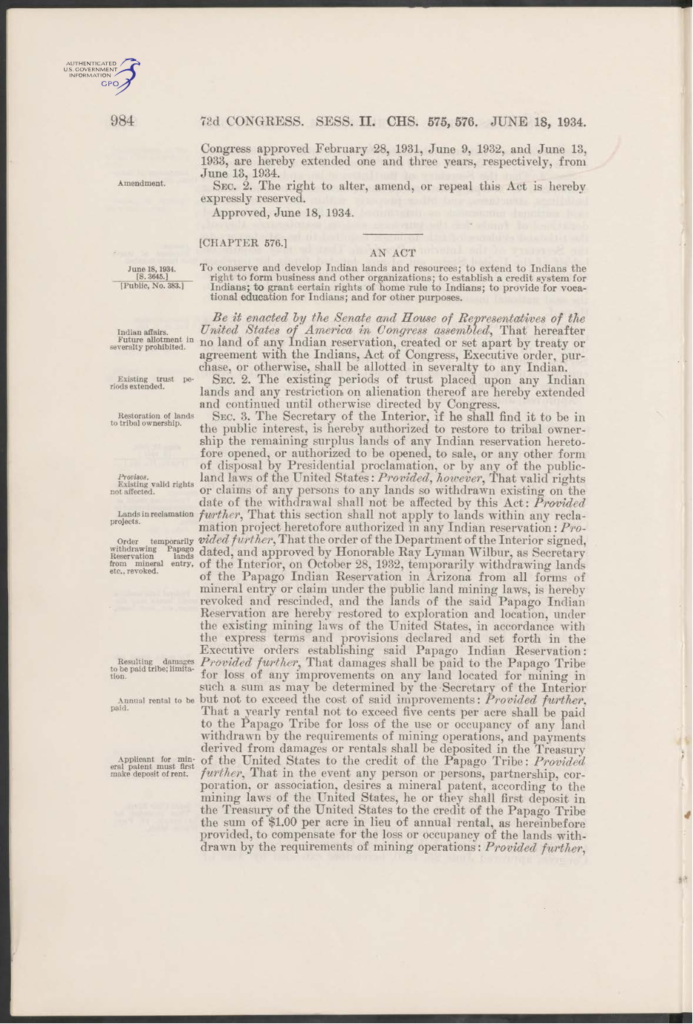
- New Indian Law Halts Allotment and Opens a Different Course for Tribal Government — Samuel Voss, 1934-06-19.
Join the conversation